Tam ekran görüntülemek için görsele tıklayın

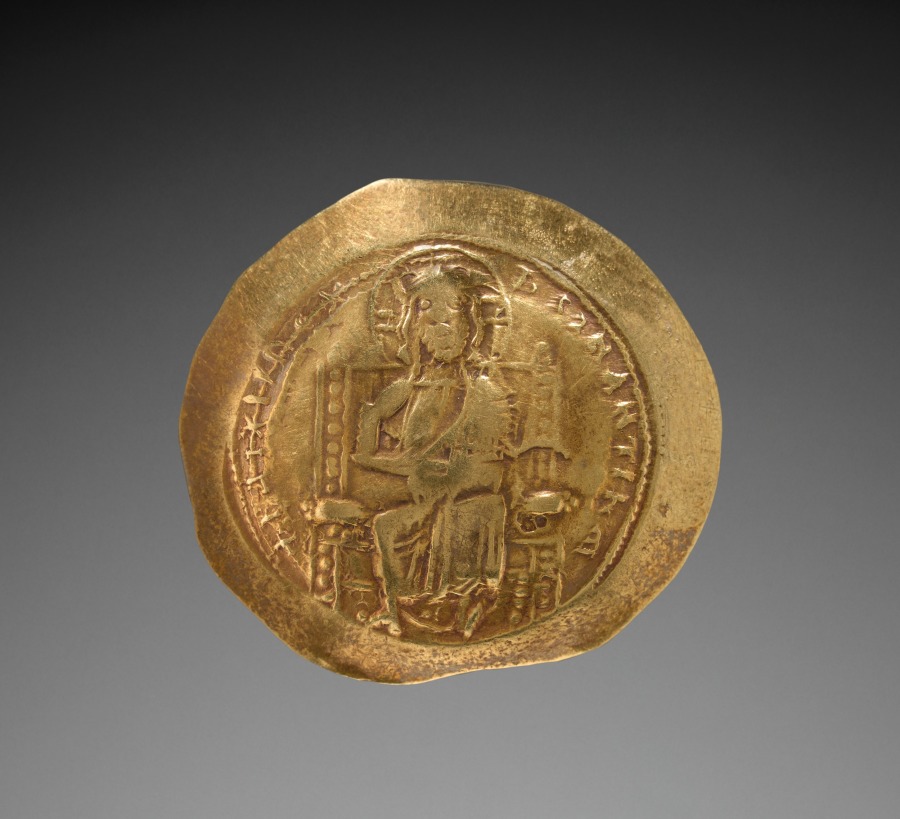
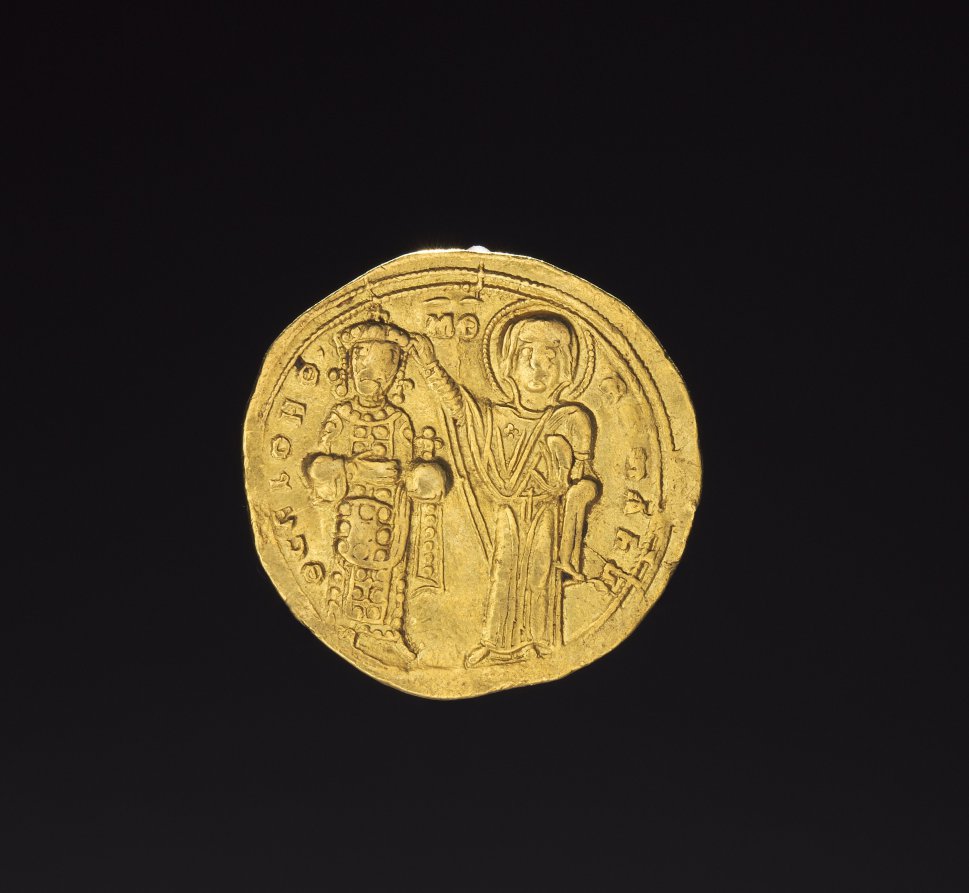
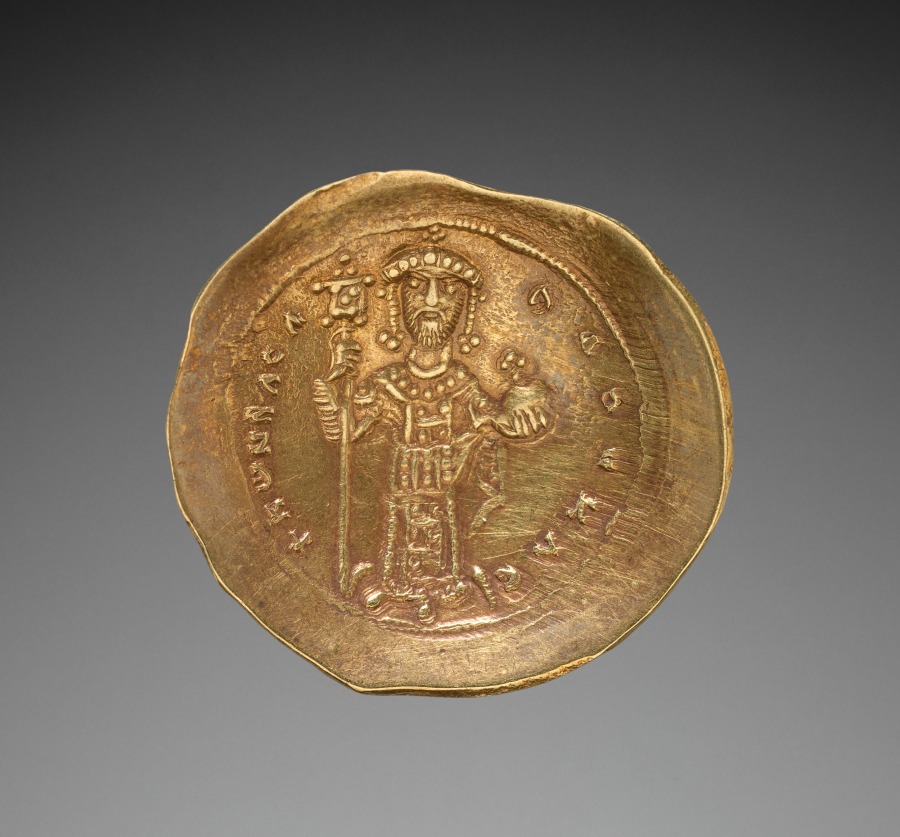
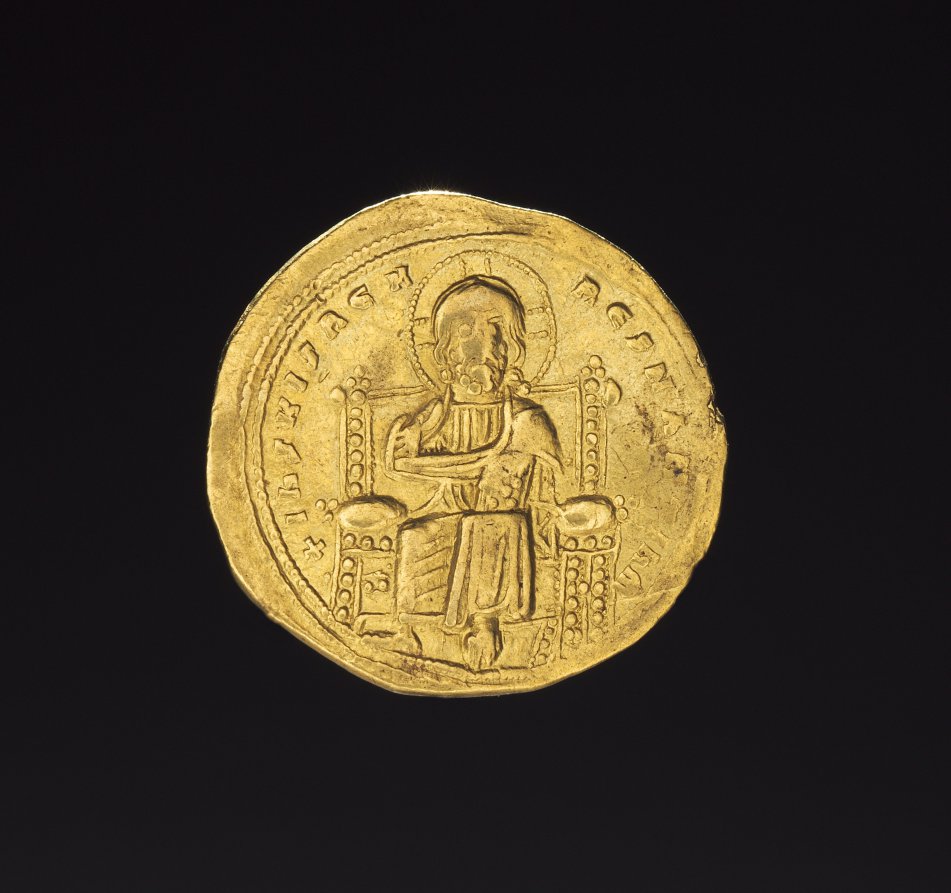
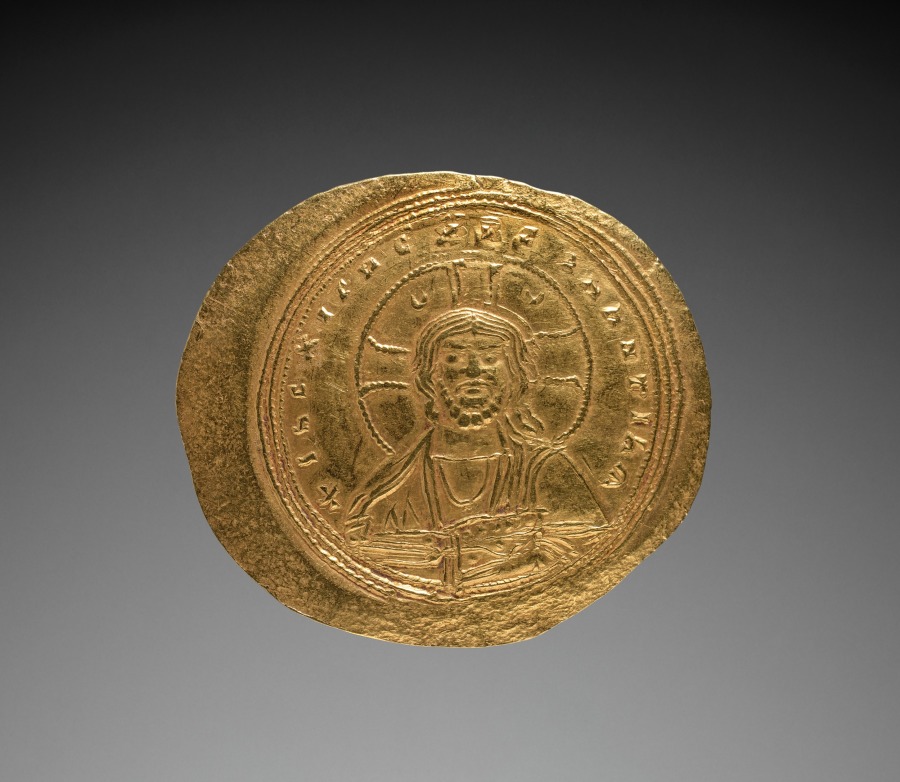
Nomisma with Constantine IX Monomachus (obverse)
✓ Özgünlük güvencesi · ✓ Uzman kondisyon raporu · ✓ Sigortalı dünya çapında teslimat · ✓ Özel odada inceleme
The vast number of surviving Byzantine coins attests to the level of trade across the empire. Controlled and supervised by the emperor, the producers of coins took care to represent his authority and reflect his stature. Talented artists were recruited to engrave the dies (molds) used for the striking of coins. Emperors increasingly came to include their heirs and co-emperors on their coinage, as well as other family members or even earlier rulers. Coins were recognized, then as now, as small, portable works of art. With their inscriptions and images, Byzantine coins provide valuable documentation of historical events and a record of the physical appearance of the emperors. The <em>solidus </em>is the basic gold coin of 24 karats; the <em>tremissis</em>, a gold coin of one-third the weight and value of the solidus; and the <em>nomisma</em>, which in the 10th century replaced the solidus as the standard gold coin.
| Sanatçı / Usta | Byzantium |
|---|---|
| Tarih | 1042–1055 |
| Kültür / Köken | Byzantium |
| Malzeme / Teknik | altın |
| Ölçüler | Diameter: 2.9 cm (1 1/8 in.) |
| Bölüm | Ortaçağ Sanatı |
| Tür | Sikkeler |
Sanatçı Hakkında
Provenans & Kaynak
Belgelenmiş provenans bilgisi talep üzerine paylaşılır.
Kondisyon
Ayrıntılı kondisyon raporu ve yüksek çözünürlüklü fotoğraflar satış öncesinde uzmanlarımızdan temin edilebilir.
Teslimat & Teslim Alma
İklim kontrollü, tam sigortalı sanat eseri taşımacılığı; randevu ile elden teslim.
Sanat Koleksiyonu'ndan Satın Almak
Kayıt olun, kimliğinizi doğrulayın ve çevrim içi ya da özel odada teklif verin. Alıcı komisyonu ve vergiler onaydan önce gösterilir.